
AI Strategy
Why Your Business Intelligence Strategy Needs an AI Layer
Most BI dashboards sit unused - an AI layer lets everyday users ask plain-English questions and get instant, cited answers.
Deep dives on semantic layers, AI-driven analysis, finance-grade governance, and what it means to build analytics your auditors can trust.
Most BI dashboards sit unused - an AI layer lets everyday users ask plain-English questions and get instant, cited answers.
Explore every piece we've published on governed analytics, agentic AI, and the enterprise data stack.
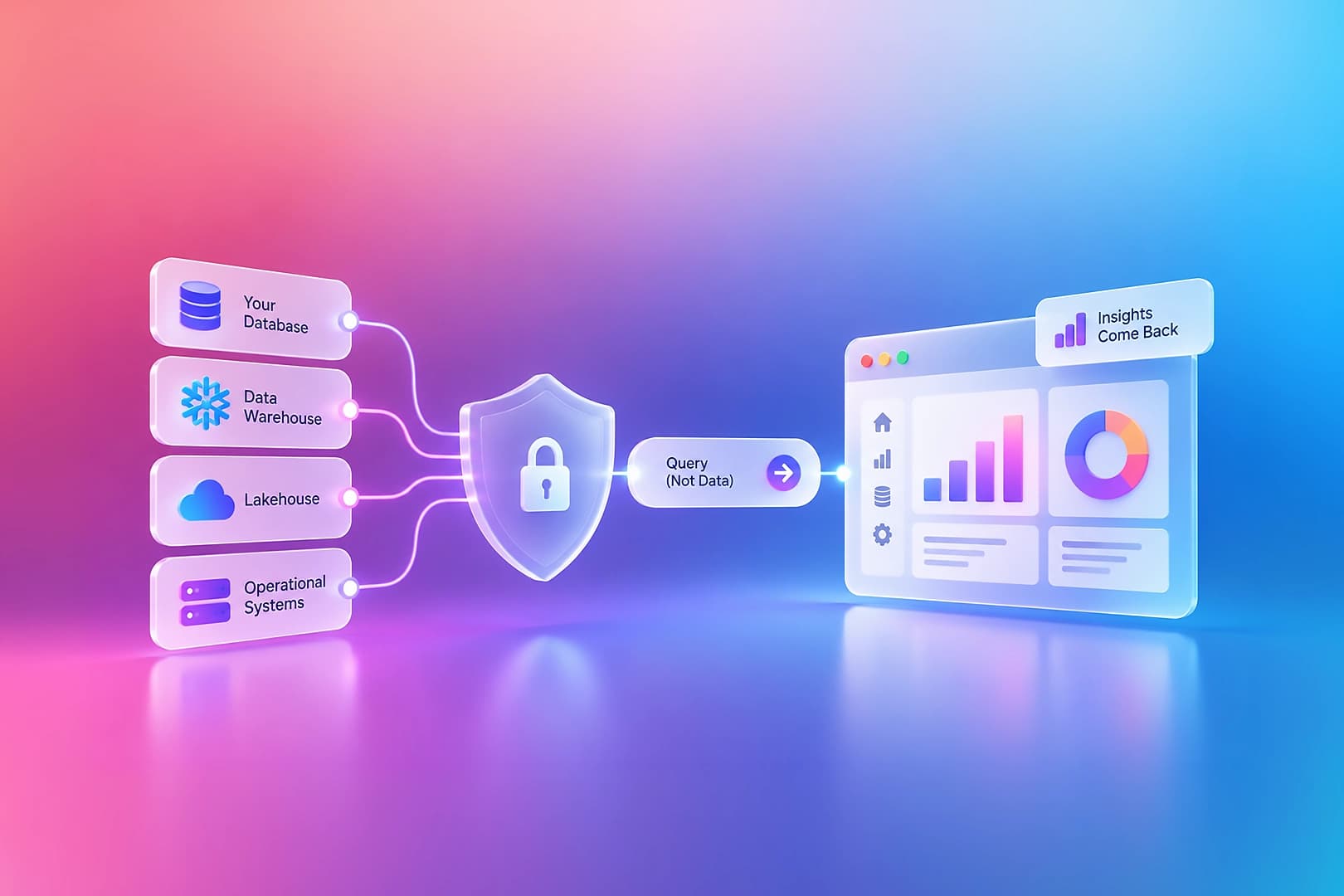
TL;DR “Analytics without data movement” is an architectural approach where your business intelligence (BI) layer queries data where it already lives in your warehouse, lakehouse, or operational database instead of copying raw, granular records into a separate analytics platform or the vendor’s cloud. The most sensitive layer of your data, often called level-zero data (the raw, row-level source…
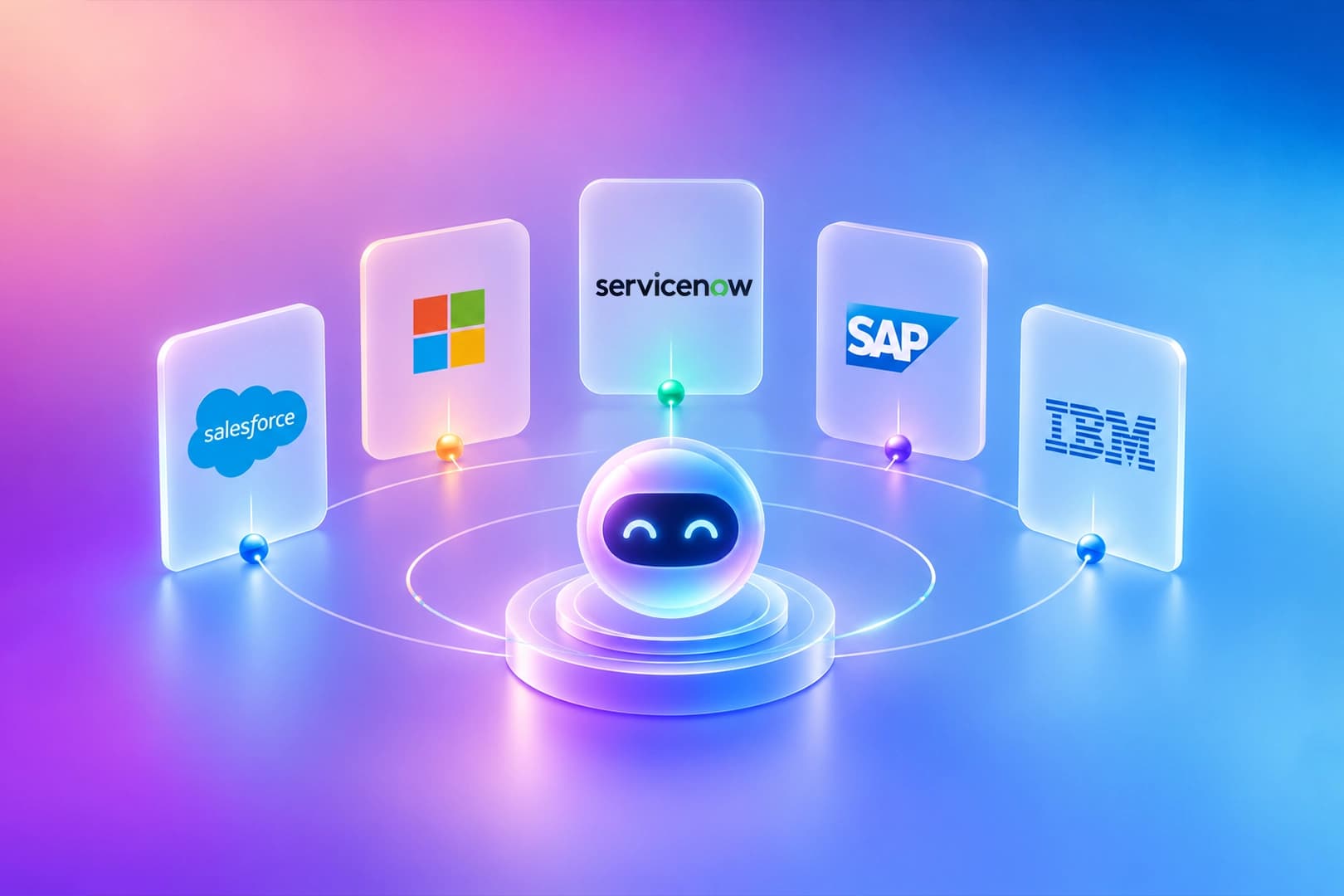
Enterprise agentic AI moved from pilot budgets to production commitments faster than most other categories of enterprise software. That speed created a side effect worth naming upfront: one industry guide to this exact topic calls out “agent washing,” vendors relabeling existing chatbots, RPA scripts, or linear workflow tools as agents without the underlying system actually…
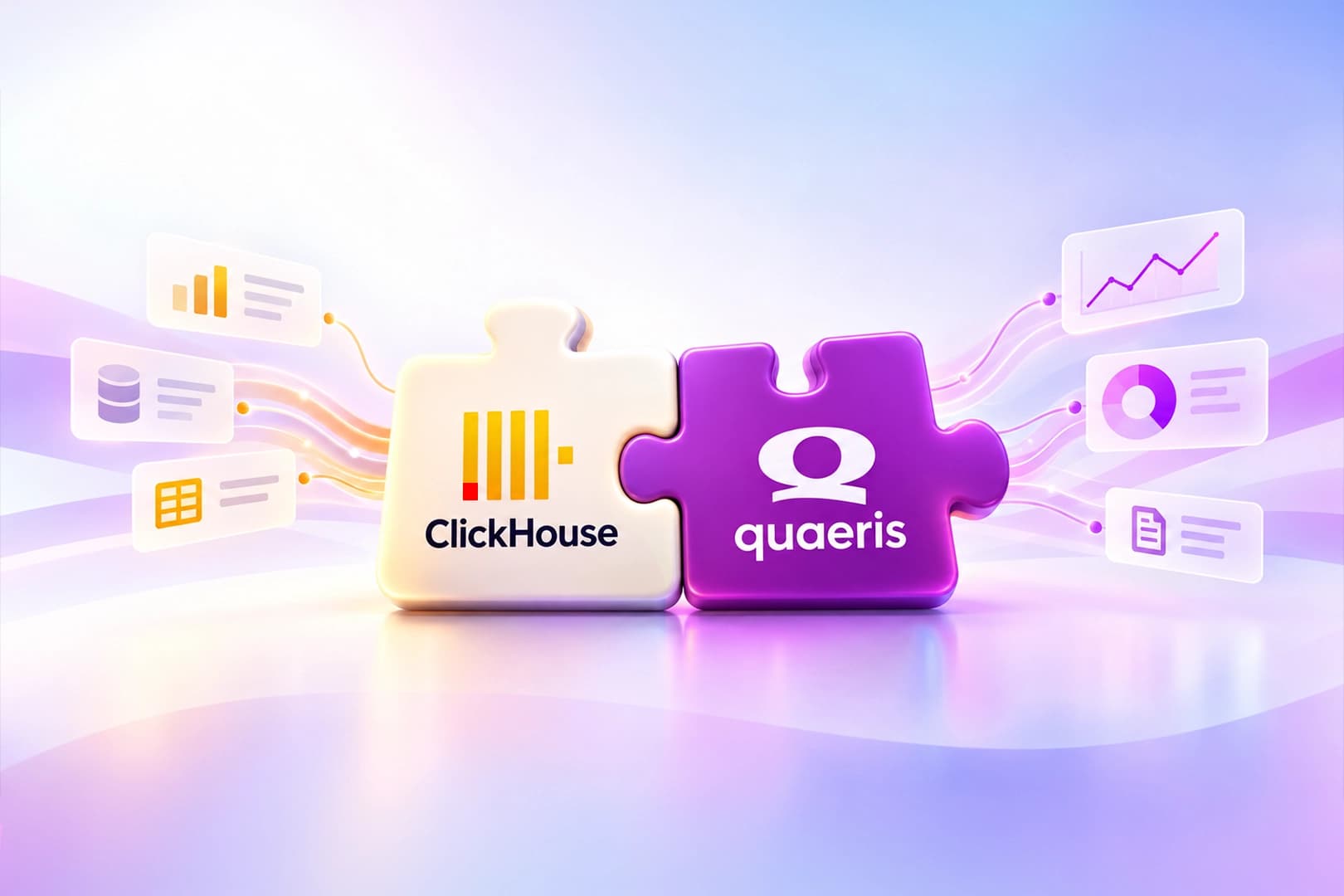
Real-time data is becoming central to how modern teams operate. Marketing teams need to understand campaign movement. Finance teams need to review usage and metering data. Risk and operations teams need to investigate unusual activity. Product teams want to bring analytics closer to customers. ClickHouse gives teams a high-performance foundation for querying large volumes of…
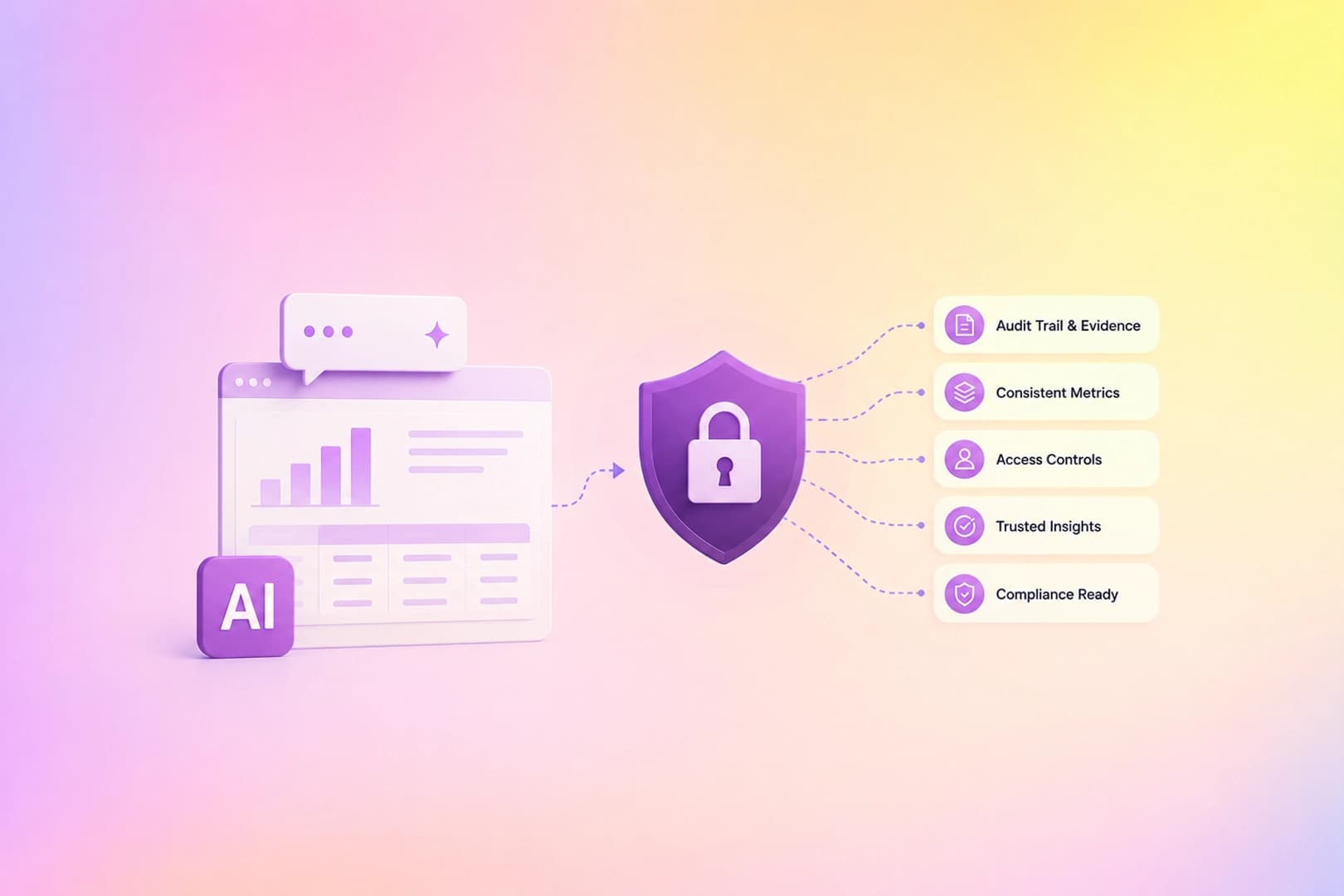
Regulated enterprises do not get to fail quietly. When a bank, an insurer, or a health system deploys analytics software that produces an indefensible number, the consequence is not an internal retrospective. It is an audit finding, a regulatory inquiry, or a remediation programme with a budget line. This is why the wave of “AI…
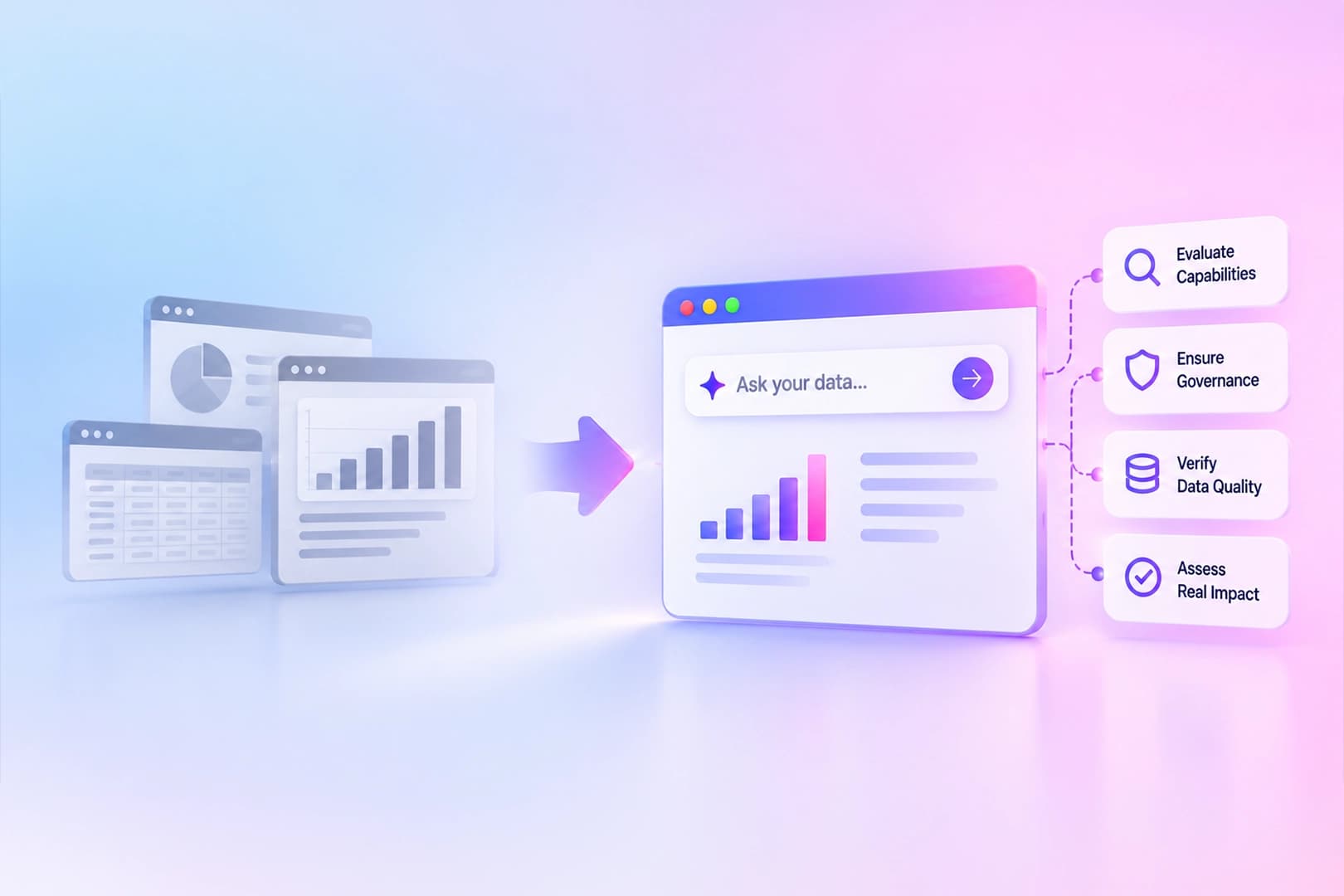
Every AI BI vendor’s homepage says roughly the same four things. Ask questions in plain English. Get instant answers. No more waiting on analysts. Works with any data source. Read ten of these homepages back to back and they start to blur into one page with a different logo at the top. None of that…
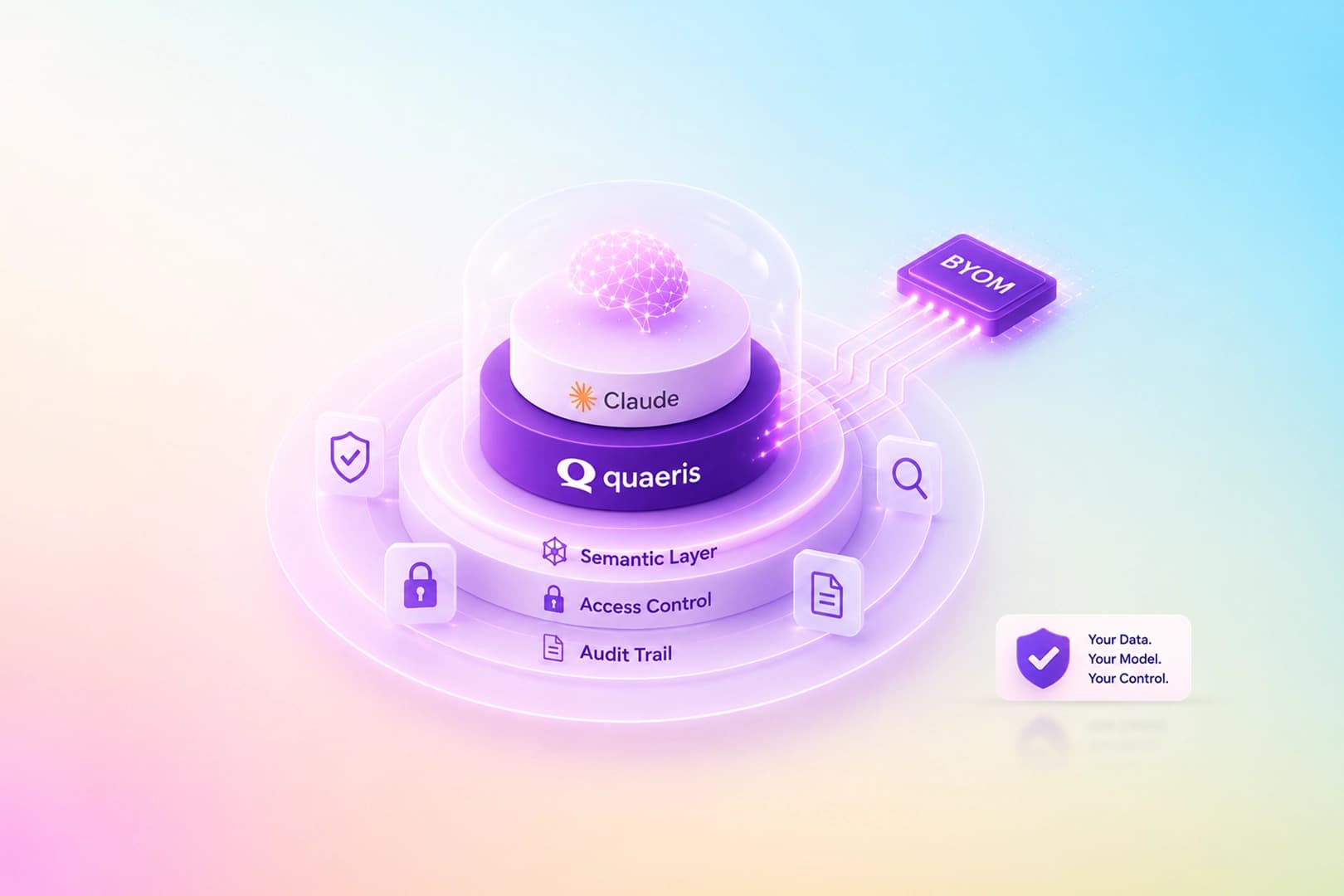
BYOM stands for bring your own model, and it names a simple architectural property with far-reaching consequences: the enterprise, not the analytics vendor, decides which large language model powers the platform. In a BYOM architecture, the analytics layer, the semantic layer, the governance controls, and the audit trail are constant, while the model underneath is…
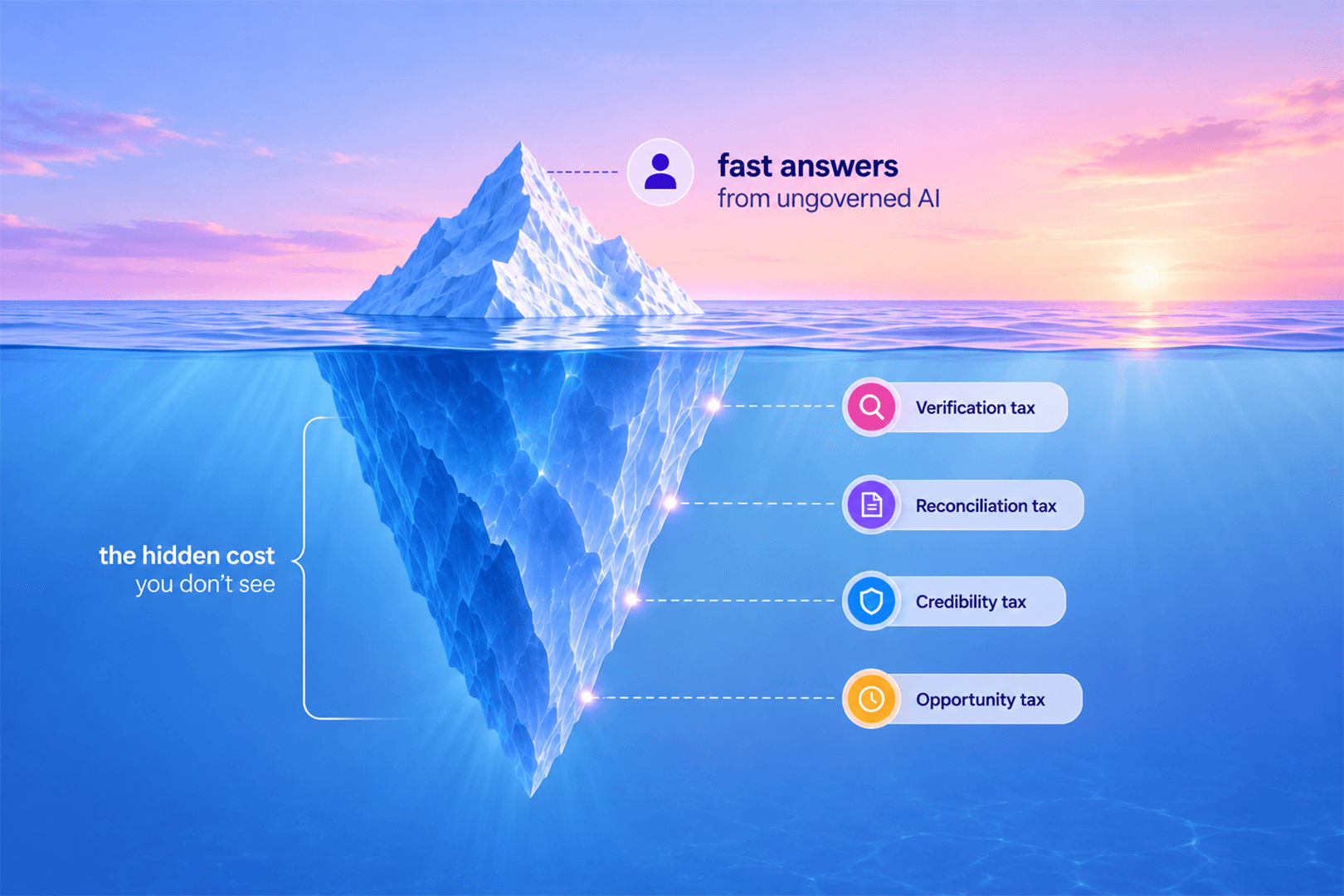
A data analyst at a mid-size logistics company spent forty minutes on a Tuesday afternoon reconstructing a churn number from scratch. Not because the number didn’t exist anywhere. Because someone in sales had already pulled a number from a public chatbot, brought it into a leadership meeting that morning, and now the analyst had to…
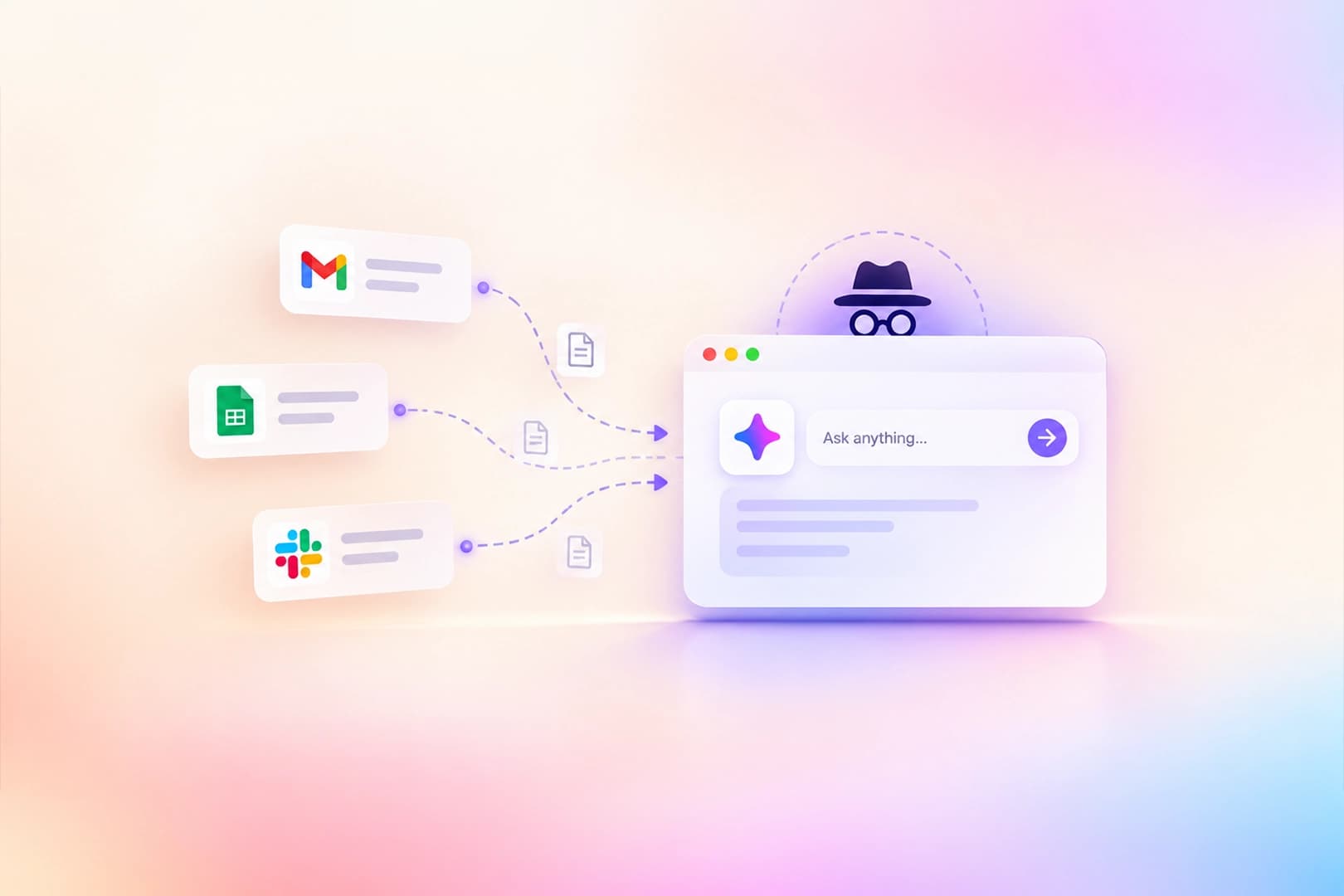
A wrong number rarely gets caught the first time it’s said out loud in a meeting. It gets caught the third time, once it has already shaped a decision or two, when someone finally asks where it came from. That delay is the actual challenge with shadow AI. It doesn’t announce itself. There’s no login…
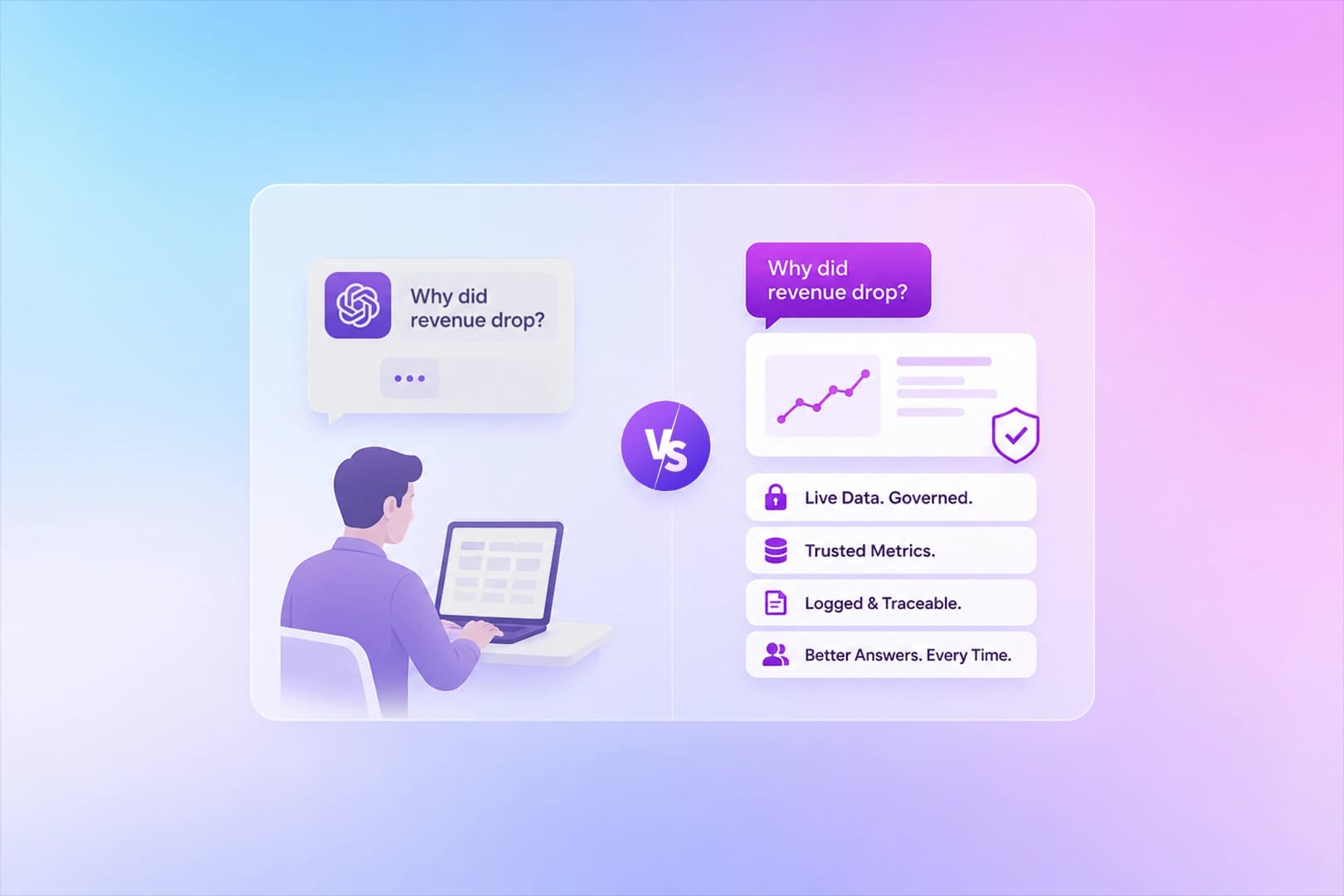
Somewhere in your organisation this week, an analyst copied query results out of the warehouse, pasted them into a public AI chatbot, and asked it to explain the trend. Nobody approved this. Nobody logged it. The analyst was not being reckless; they were being rational. They had a question, the sanctioned BI stack could not…
Buying a text-to-SQL platform is an exercise in seeing past the demo, because every vendor’s demo works. The model generates clean SQL against a tidy schema, the answer appears in seconds, and the room is impressed. The differences that decide whether the platform survives contact with your warehouse, your permissions, and your auditors are invisible…
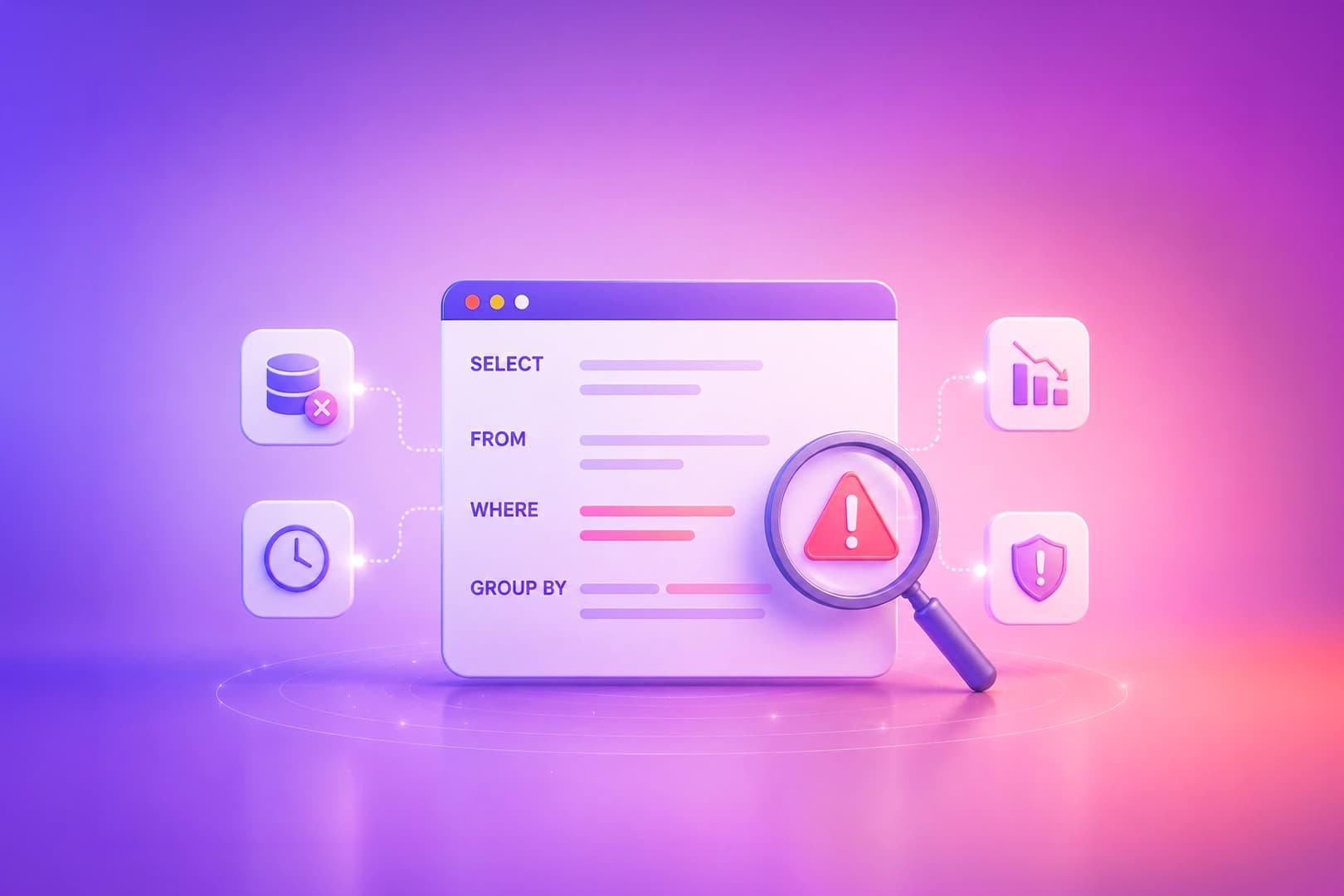
A wrong query is never just a wrong query. By the time an incorrect SQL statement has done its work, it has produced a number, the number has entered a document, the document has informed a decision, and the decision has moved money, headcount, or strategy. The cost of bad SQL is the cost of…
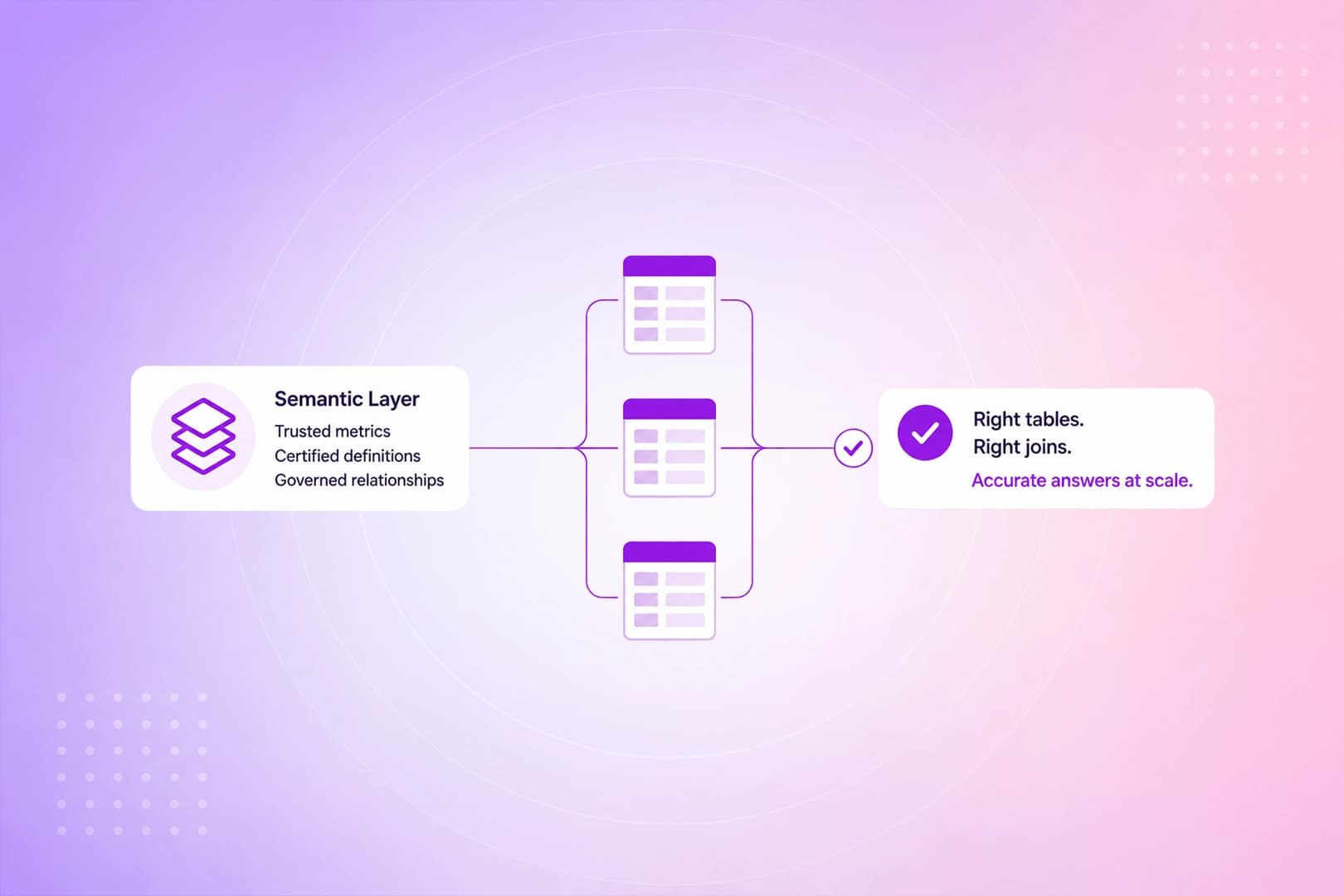
Somewhere between the proof of concept and the production warehouse, text-to-SQL systems hit a wall, and teams that have lived through it describe the same experience: the tool that answered flawlessly against a curated 15-table demo begins missing badly once it faces the real estate of several hundred tables. The decline is not gradual or…
Vertical, columnar databases like DuckDB have quietly become one of the fastest ways to run analytical queries. That speed is real, and it’s exactly why QuaerisAI has built a DuckDB integration into its architecture. But a fast database only matters if something on top of it can actually turn that speed into an answer. This is…
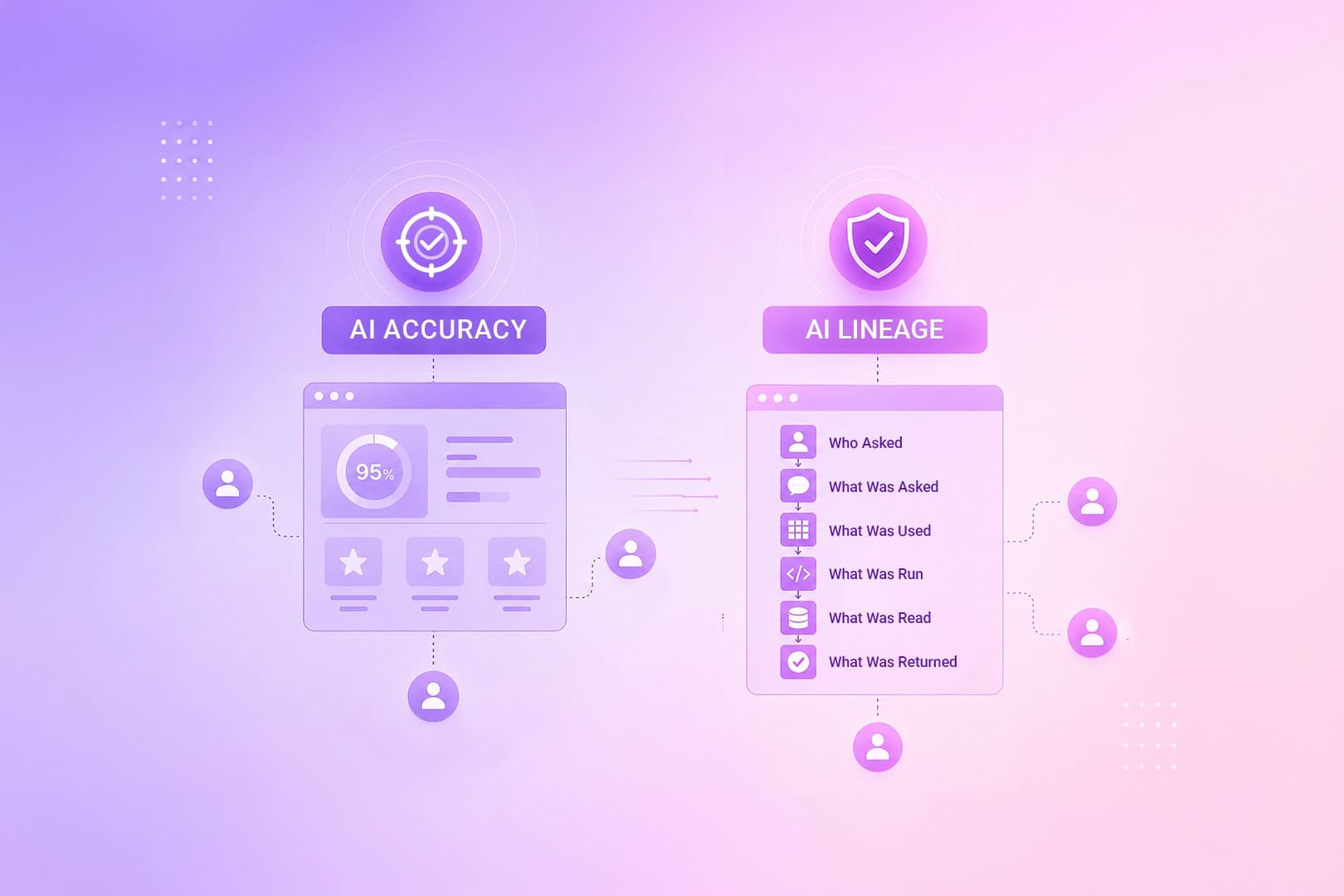
Accuracy is the wrong first question about enterprise AI, and finance leaders are the first to figure this out. Not because accuracy is unimportant, but because accuracy is a claim, and CFOs are professionally trained to distrust claims they cannot verify. A vendor asserting 95 percent accuracy is telling the CFO nothing actionable. A vendor…
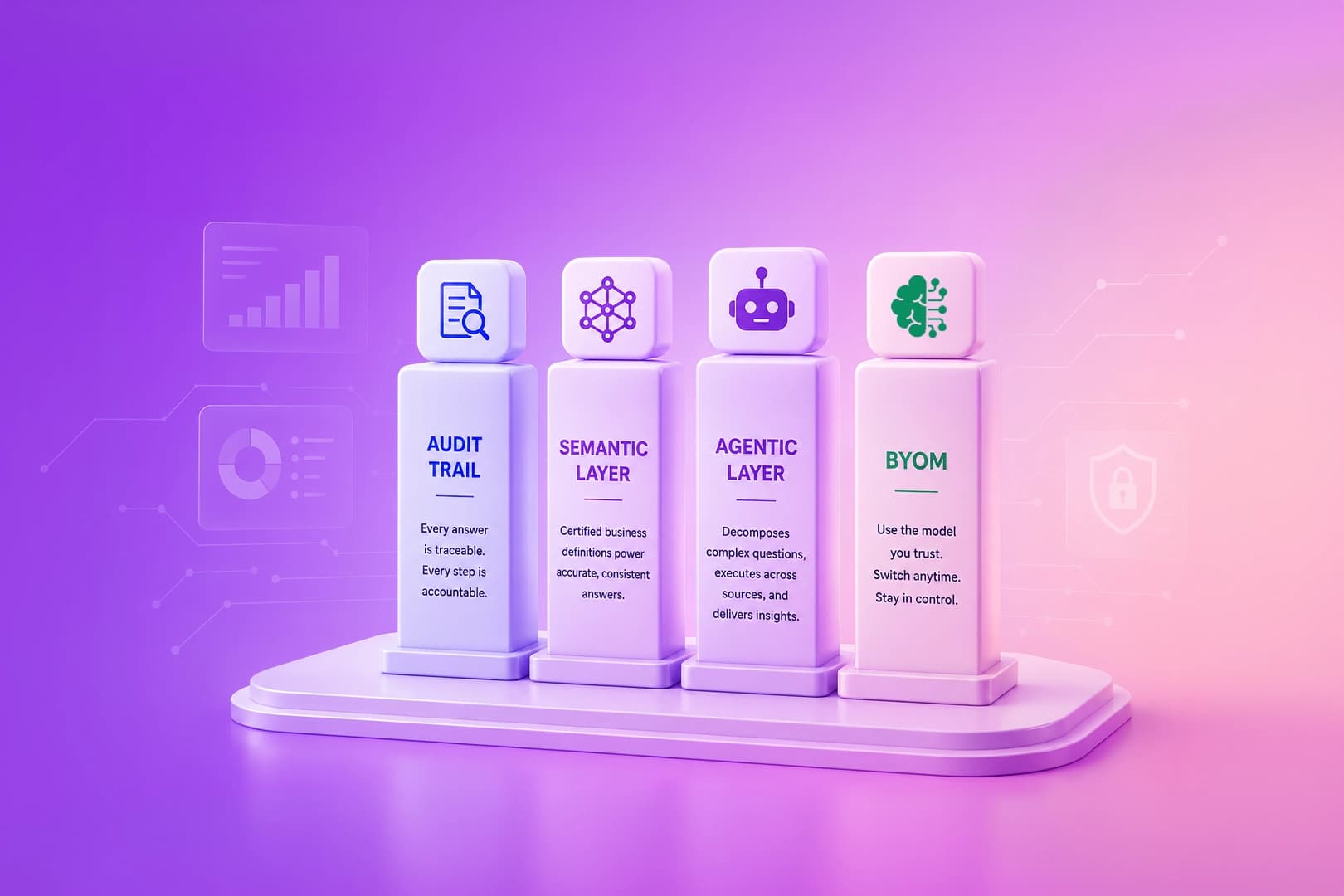
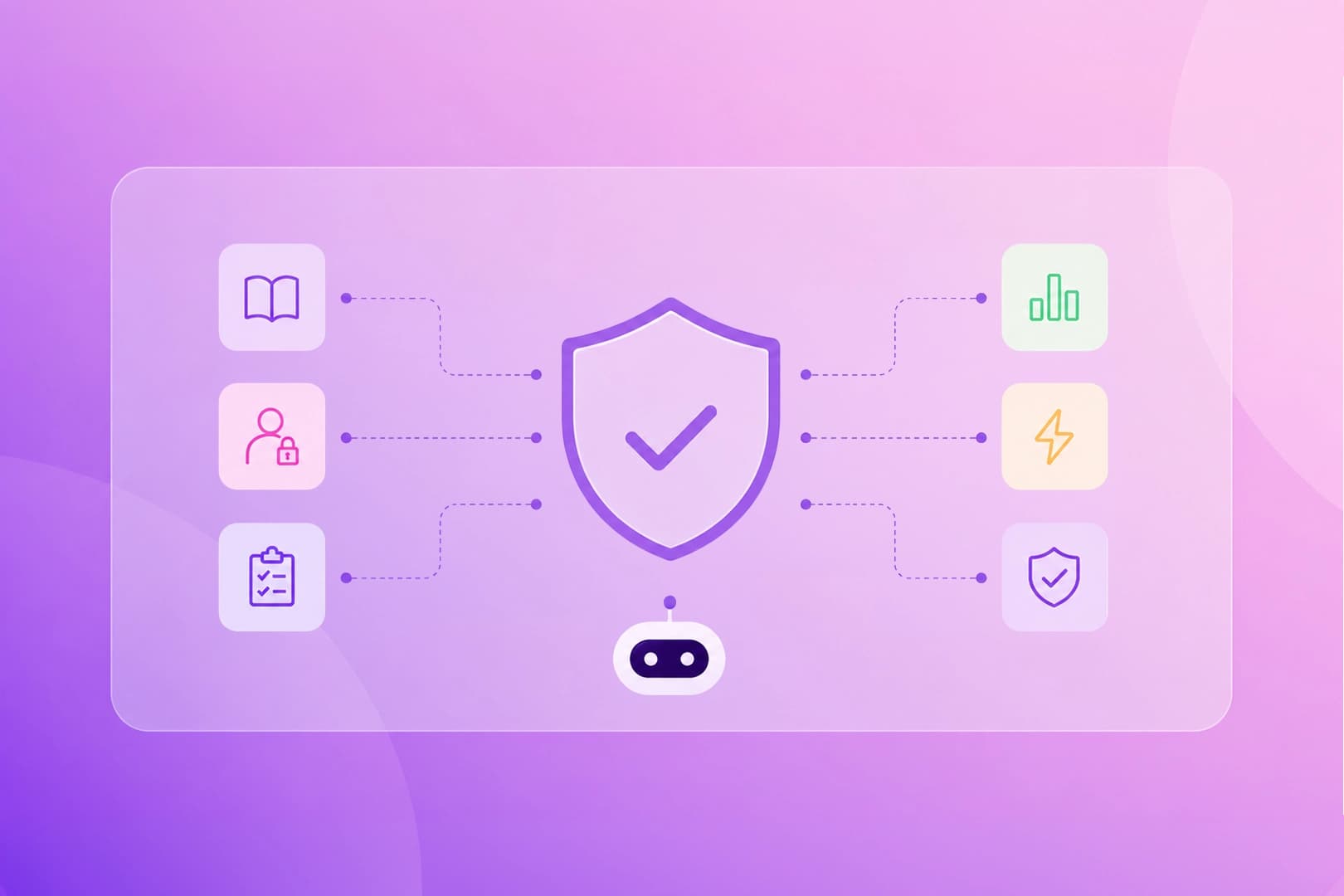
Four capabilities separate a governed agentic platform from a chatbot bolted onto a warehouse. Remove any one of them and the structure fails in a specific, predictable way. This piece defines each pillar, explains what breaks without it, and shows how the four reinforce one another when they are built as one system rather than…
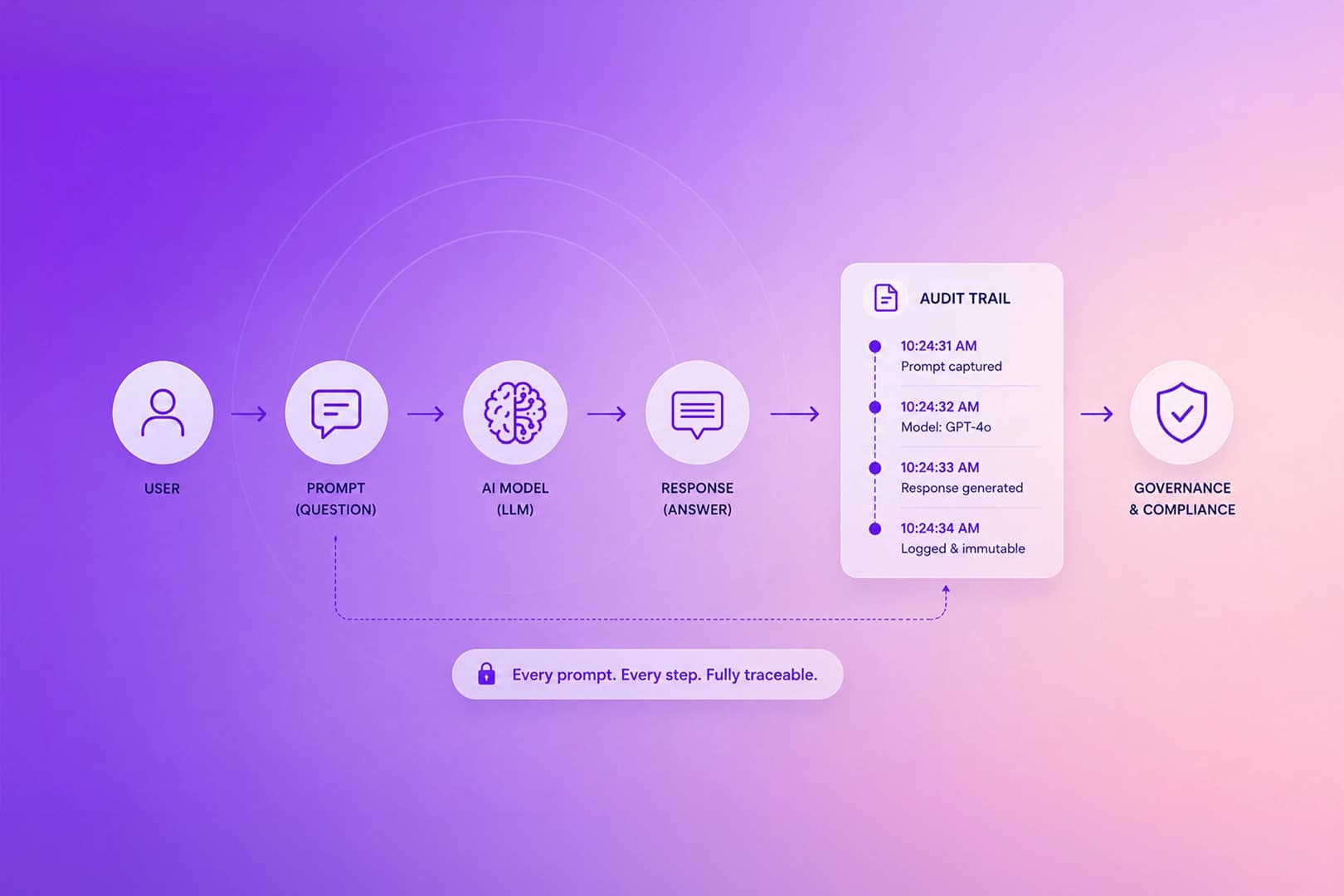
Picture an internal auditor in 2027 reviewing how a critical business decision was made. The decision rested on a number, and the number came from an AI agent. The auditor asks the obvious questions. Who asked for this analysis? What exactly did they ask? What query did the system run? Which data did it read?…
Agentic is the most borrowed word in analytics right now. Every vendor deck has it. Every product launch claims it. Strip away the label and ask what the software actually does, and the answers vary wildly: some tools schedule a query, some summarise a dashboard, some genuinely plan and execute multi-step analytical work on their…
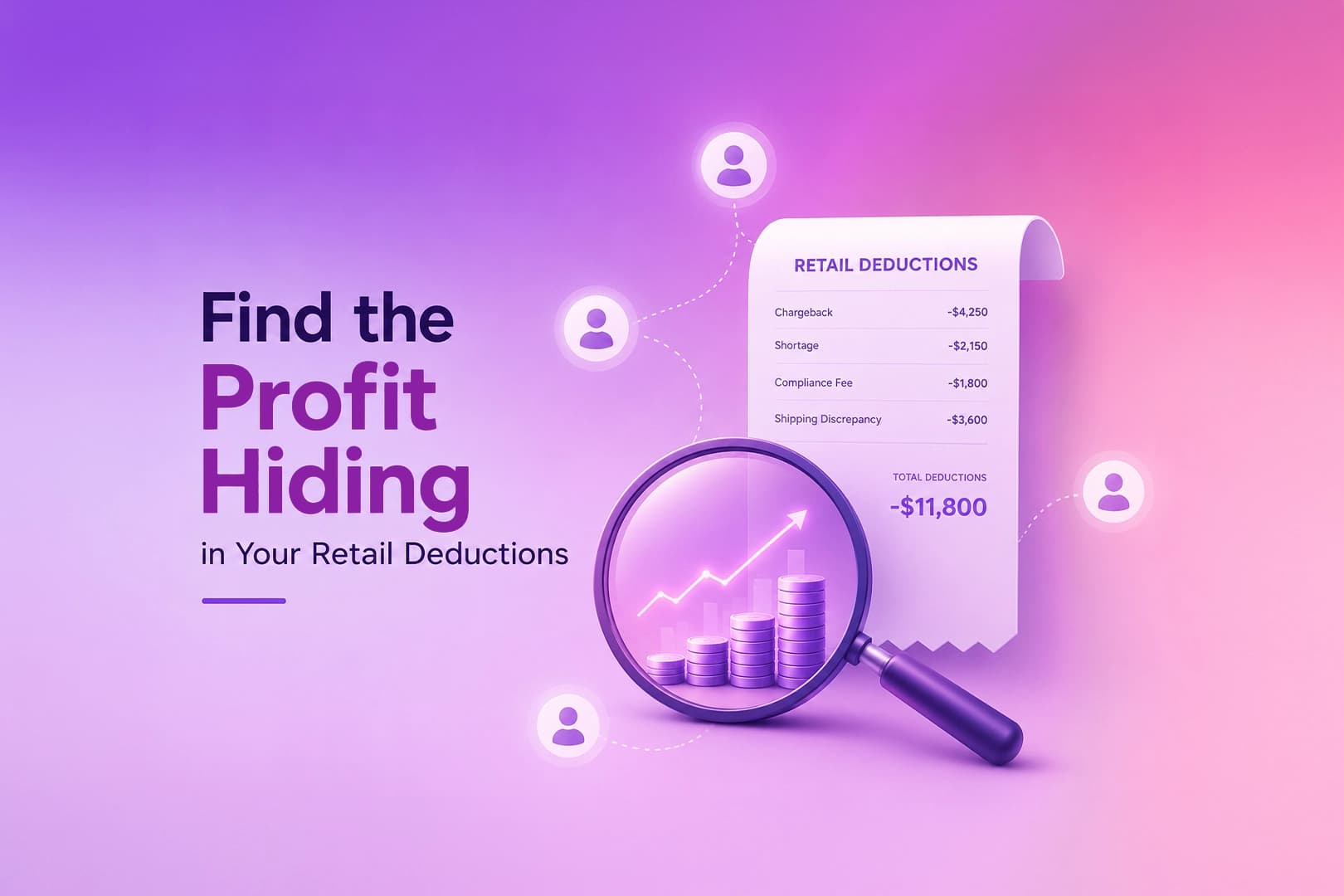
Retail deductions and chargebacks are one of the most persistent sources of profit leakage for CPG manufacturers, and one of the least visible. When a retailer issues a deduction, whether for a compliance issue, a shortage, or a shipping discrepancy, they simply reduce the payment on the invoice. The supplier receives less money and is…
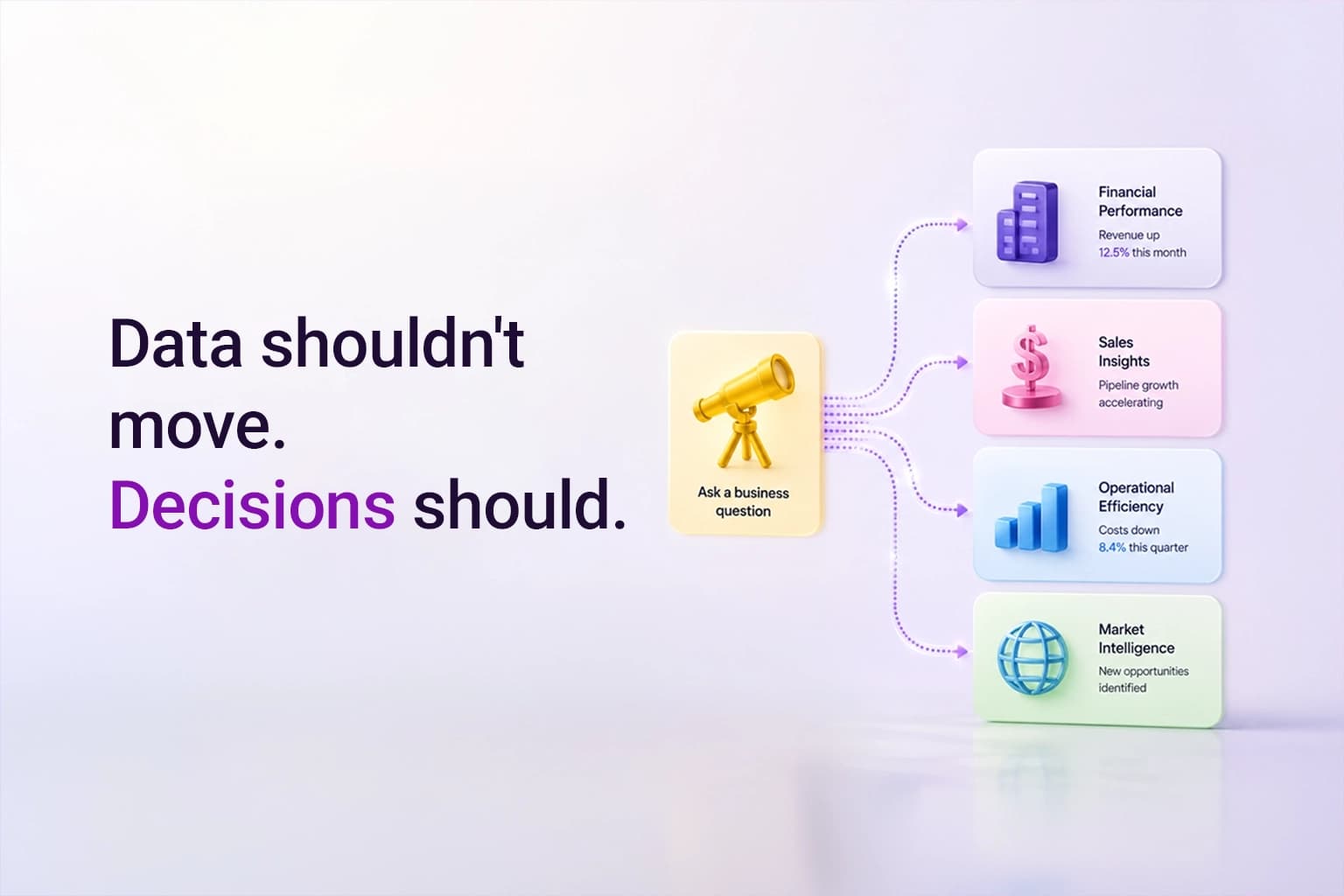
Enterprise AI projects do not fail because the models are weak. They fail because answers arrive too late. Inside modern enterprises, data already exists. Questions already exist. Yet decisions still stall. The delay lives in the space between systems, teams, and trust, and for years the default response has been to move data closer to…
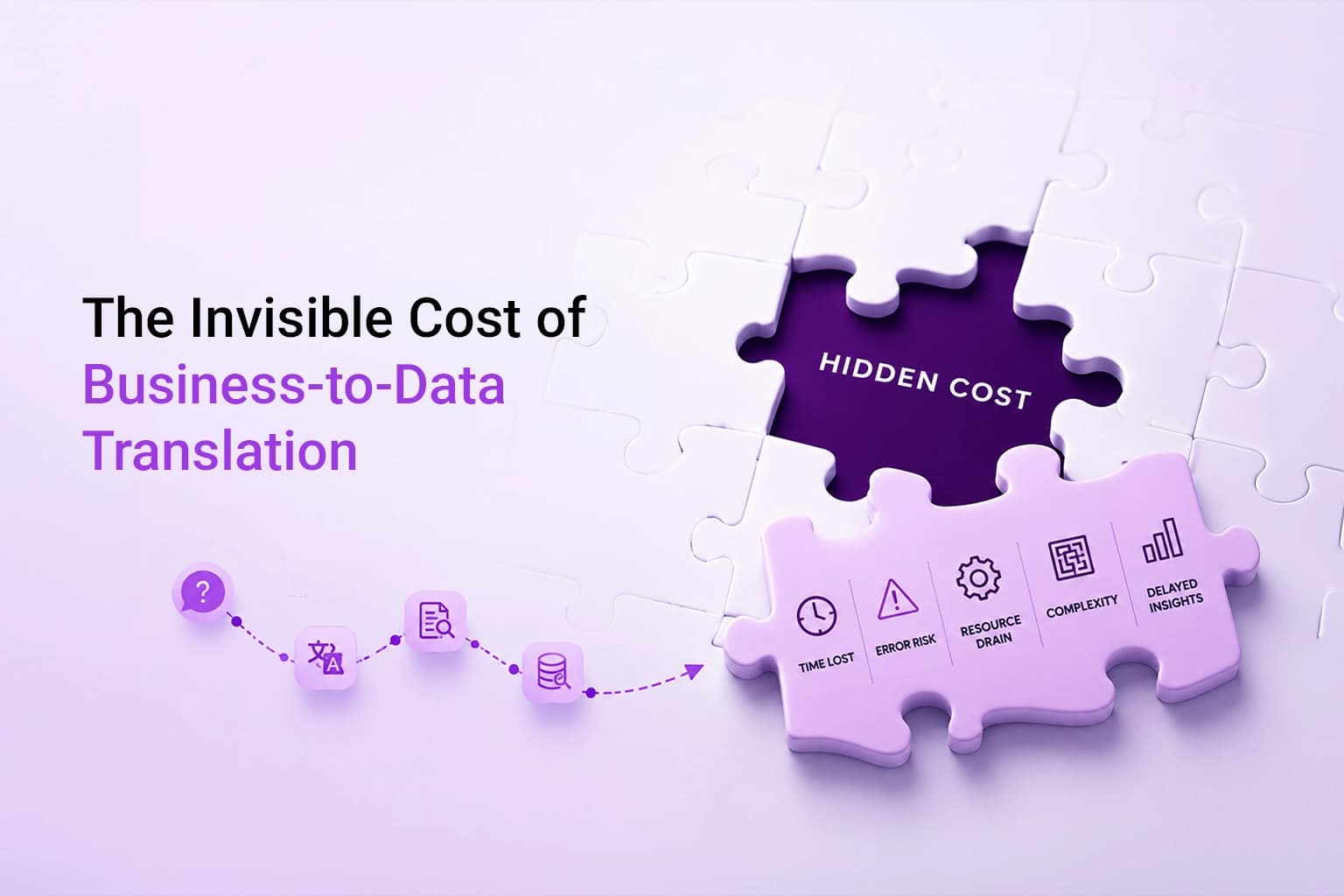
There is a step inside every enterprise data workflow that nobody budgets for, nobody measures, and almost nobody talks about. It sits between the moment a business user asks a question and the moment an answer arrives. It involves a human intermediary, a rewrite, a queue, and a delay that compounds quietly across every question…

A McKinsey Global Survey found that only 20% of respondents said their organization was good at making decisions. That number is worth sitting with, because it is not a survey of struggling companies. It includes plenty of businesses that are otherwise well run, well funded, and well staffed. The bottleneck was not talent or intent…
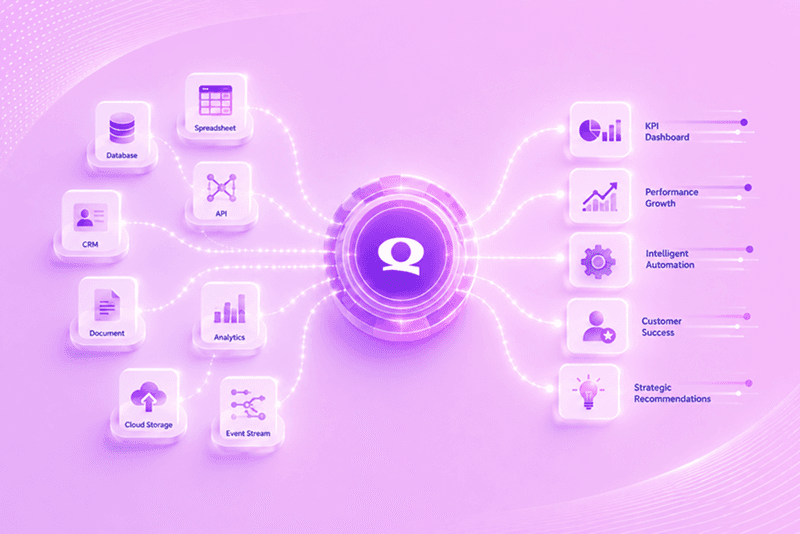
Every organisation collecting data is making an implicit bet: that the data will eventually influence a decision. The size of the data warehouse, the sophistication of the pipeline, the number of dashboards maintained, none of it has inherent value. The value only materialises at the moment a decision is made better because of it. Everything…
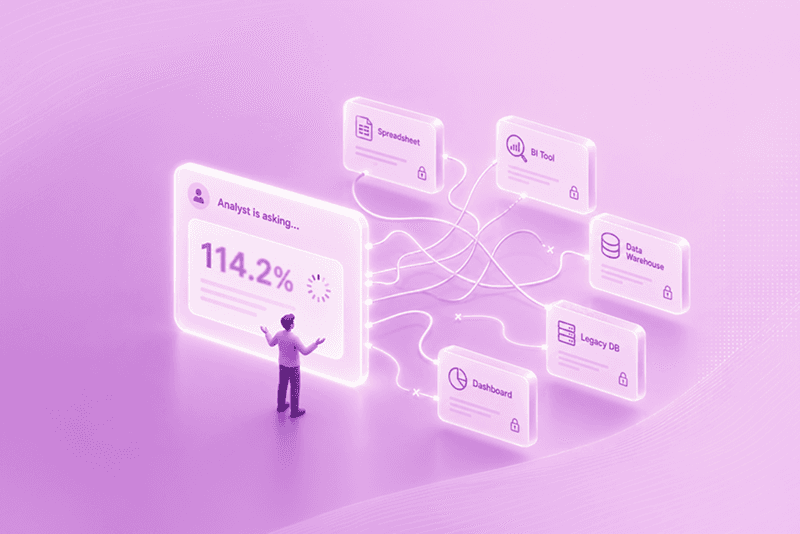
A majority of analytics teams are not underperforming. They are working at full capacity inside a system that was never designed to scale with the volume of questions a modern business generates. The problem is not the people. It is the architecture built around them, and understanding that distinction is the first step to fixing…
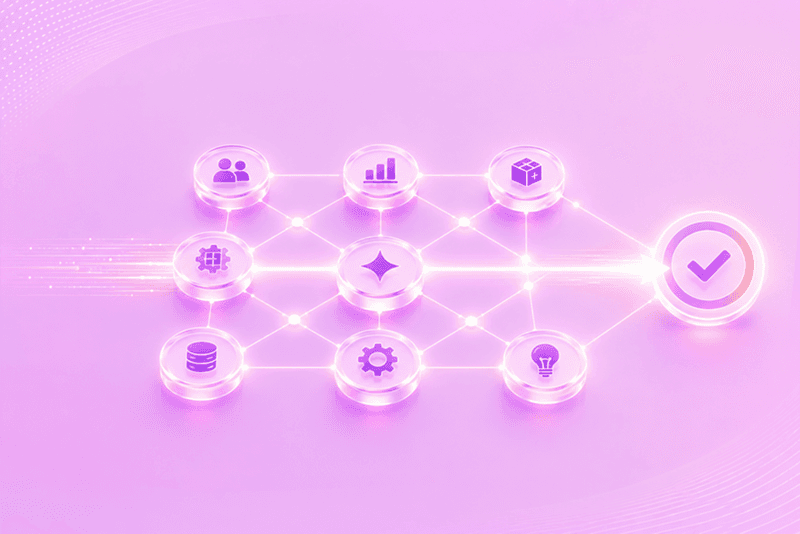
Speed is a priority for almost every modern organization. Leaders want faster decisions, faster execution, and faster response to market changes. The instinct is often to add more control: more approvals, more escalation, more direction from the top. That can create movement for a short period. It rarely creates durable speed. Organizations move faster when…
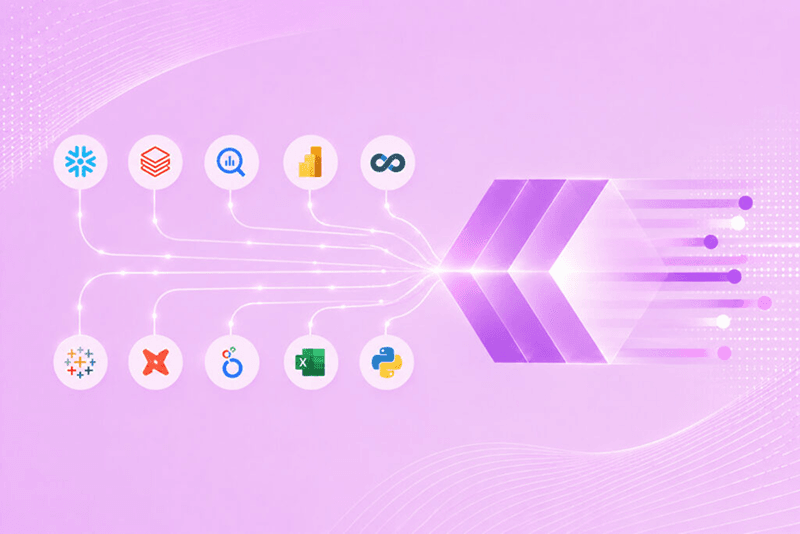
Teams inside enterprise organisations are not short on data. They have data warehouses, BI dashboards, weekly reporting decks, and analytics teams paid specifically to surface findings. What they are short on is the ability to act on that data before the moment to act has passed. This is not a data volume problem or a…

Someone presents a number in a meeting. Before anyone reacts to what the number means, someone else asks, “Where did this come from?” The meeting stalls while two people compare it against a different report, find a small mismatch, and spend the next ten minutes debating whose version is right. Nobody has questioned the strategy…

Here is the uncomfortable reality facing accounting firms in 2026: the accounting workforce has shrunk by over 17% since 2020, regulatory scrutiny is intensifying, and clients expect more, faster, for the same fee. The traditional audit model, built on sampling, manual document matching, and hours of workpaper writing, was never designed to absorb this pressure…
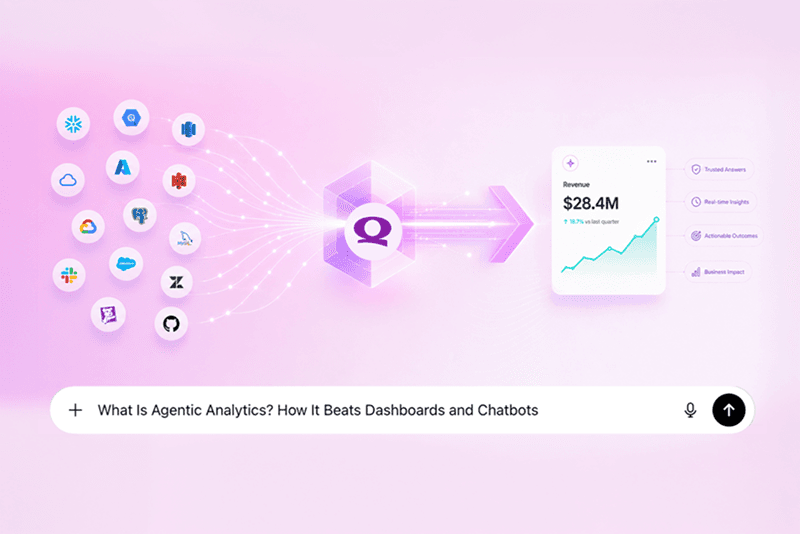
For the last two decades, getting an answer out of company data followed a predictable, frustrating script. A business user had a question. They filed a ticket. A data analyst built a query or a report. Days, sometimes weeks later, a dashboard appeared. By then the question had often changed, and the cycle started again…

First, Clear Up the Confusion: Claude and QuaerisAI Are Not the Same Kind of Thing Claude is a foundational large language model made by Anthropic. Its job is to understand language and reason: to read a question, a document, or a block of code and produce a thoughtful response. You can use it to draft…